
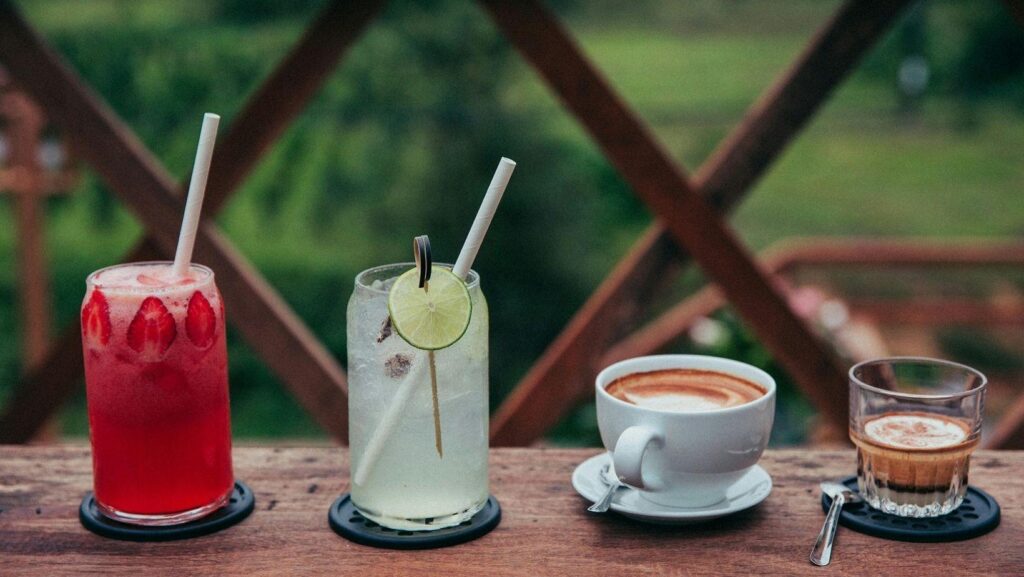
Non-alcoholic drinks have come a long way from being simple soft drinks or fruit juices. Today, they are crafted with the same creativity, balance, and presentation as traditional cocktails, offering complex flavors and a sophisticated drinking experience—without the alcohol. Whether you're cutting back, avoiding alcohol entirely, or simply exploring new tastes, there are plenty of famous and widely enjoyed alternatives that fit any setting, from parties to relaxed evenings at home.
Mocktails: The Classic Alcohol-Free Cocktail Experience
Mocktails are perhaps the most well-known alcohol-free alternatives. They are designed to mimic the structure and elegance of cocktails, using fresh juices, herbs, syrups, and sparkling mixers.
Some popular mocktails include the Virgin Mojito, made with lime, mint, sugar, and soda water, and the Shirley Temple, a sweet mix of ginger ale and grenadine topped with a cherry. Another favorite is the Virgin Piña Colada, blending pineapple juice and coconut cream for a tropical feel.
What makes mocktails stand out is their versatility. Bartenders often experiment with ingredients like basil, cucumber, chili, and infused syrups, creating drinks that feel just as festive as alcoholic cocktails.
Sparkling Water Creations: Simple but Refined
Sparkling water has become a base for many alcohol-free drinks thanks to its refreshing fizz and clean taste. When combined with fruit, herbs, or citrus, it transforms into a light and elegant beverage.
A common favorite is sparkling water with lime and mint, often served as a refreshing alternative to a gin and tonic. Another variation includes sparkling water with muddled berries and rosemary, offering a slightly more aromatic and sophisticated profile.
These drinks are especially popular in wellness-focused lifestyles because they are hydrating, low in sugar, and visually appealing when served in a tall glass with ice.
Kombucha: The Fermented Favorite
Kombucha has grown into a global trend as a tangy, slightly fizzy fermented tea. It is made by fermenting sweetened tea using a culture of yeast and bacteria, resulting in a drink that is both refreshing and complex.
Flavors range from ginger and lemon to exotic blends like passionfruit or hibiscus. While kombucha contains a small amount of naturally occurring alcohol due to fermentation, it is typically classified as non-alcoholic.
Its popularity comes not only from its taste but also from its association with gut health and probiotics, making it a go-to alternative for those looking for something functional yet flavorful.
Non-Alcoholic Spirits: The Modern Innovation
One of the most exciting developments in the beverage world is the rise of non-alcoholic spirits. These are crafted to replicate the flavor profiles of traditional spirits such as gin, rum, and whiskey—without the alcohol content.
Brands distill botanicals, spices, and herbs to recreate the depth and complexity of alcoholic drinks. These spirits are then used in cocktails just like their alcoholic counterparts. For example, a non-alcoholic gin alternative might be mixed with tonic water, cucumber, and rosemary to create a sophisticated drink that feels just like a classic G&T.
This category has become especially popular in upscale bars and restaurants, where guests want the full cocktail experience without alcohol. Experimental products like THC mixers have also appeared alongside alcohol-free spirits, reflecting a broader curiosity around alternative social drinking experiences.
Fresh Juices with a Twist
Freshly squeezed juices are timeless, but modern variations have taken them to a new level. Instead of simple orange or apple juice, mixologists now combine multiple ingredients to create layered flavors.
Popular combinations include carrot, ginger, and apple juice for a spicy-sweet kick, or watermelon, lime, and basil for a refreshing summer drink. These blends are often served chilled with crushed ice, making them perfect for warm weather or brunch settings.
Adding herbs and spices elevates these juices from everyday beverages to something more refined and memorable.
Coffee and Tea-Based Alternatives
Coffee and tea are also widely used as bases for alcohol-free drinks, especially in colder months or evening settings.
Iced coffee variations like cold brew with vanilla and oat milk offer a smooth and slightly sweet option. On the tea side, matcha lattes, chai tea with steamed milk, and iced hibiscus tea provide bold flavors without alcohol.
Tea-based mocktails are also becoming popular, such as Earl Grey tea mixed with lemon and honey or green tea combined with peach and mint. These drinks are often served in elegant glassware to enhance the experience.
Soda-Based Classics
Sodas remain a simple yet beloved alternative. However, modern versions go beyond basic cola or lemon-lime drinks. Craft sodas now include flavors like ginger beer, elderflower tonic, and spiced cola.
A popular example is ginger beer with lime, which delivers a strong, slightly spicy kick often used as a substitute for alcoholic cocktails like the Moscow Mule. These drinks are easy to prepare and widely available, making them a convenient option for gatherings.
Famous non-alcoholic drinks have evolved into a diverse and creative category that caters to every taste and occasion. From elegant mocktails and sparkling water blends to kombucha and non-alcoholic spirits, these beverages prove that you don’t need alcohol to enjoy complexity, flavor, and celebration.
As more people explore mindful drinking and healthier lifestyles, alcohol-free alternatives continue to grow in popularity, offering endless possibilities for both everyday refreshment and special occasions.