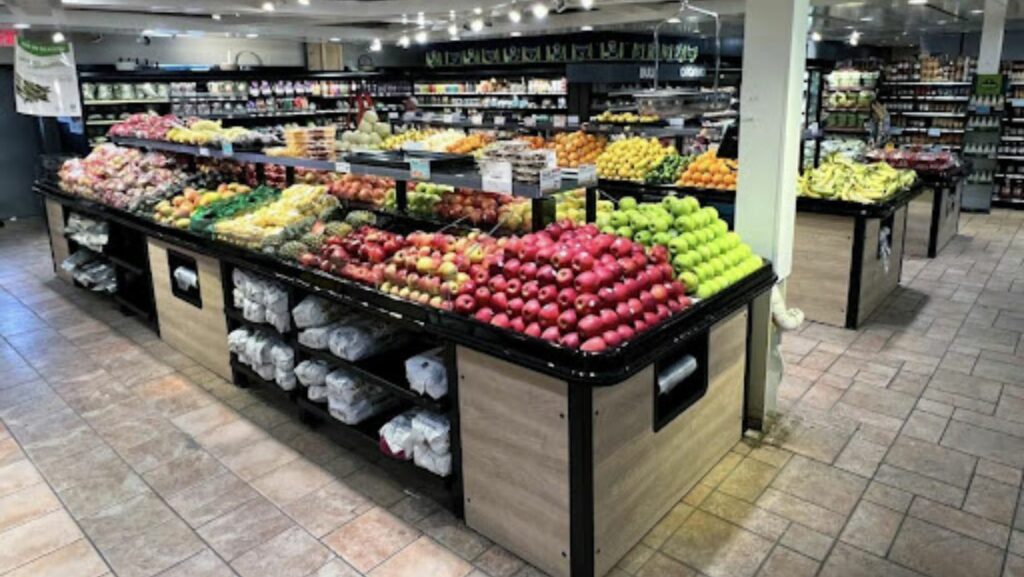
In a market where freshness and visual appeal drive impulse buying, the way you present your produce can have as much influence as the quality itself. Smart design choices transform an ordinary table into a vibrant showcase that draws customers in, encourages interaction, and subtly boosts sales.
Use Height and Levels to Create Visual Interest
Flat displays are easy to overlook. Varying height is one of the simplest ways to add drama and flow. Tiered produce display tables or adjustable risers help shoppers see more at once and make the overall spread look abundant. Place high-margin or seasonal items closer to eye level, where attention naturally lands. Lower levels can carry bulk produce or staple items that sell on recognition alone.
Keep visibility in mind; nothing should feel hidden behind a higher row. Balance your tiers so each section remains accessible and easy to reach. Even small adjustments in elevation can shift a static setup into an engaging, layered scene.
Let Colour Strategy Lead the Arrangement
Colour psychology plays a larger role than most realize. Grouping produce by complementary tones makes displays feel balanced and intentional. For example, a cluster of greens: pears, avocados, and limes, gains energy when placed beside warm oranges and reds. This visual rhythm guides the shopper’s eye naturally across the table, inviting discovery.

A good rule of thumb: arrange from dark to light or from warm to cool tones. Avoid overwhelming the viewer with too many competing hues. Strategic spacing, like small pockets of neutral colour from baskets or signage, helps each section breathe and enhances overall harmony.
Use Lighting to Enhance Texture and Freshness
Lighting can make or break a display. Warm, diffuse lighting enhances the natural glow of produce, while harsh or overly bright light can wash out colour and texture. Spotlights placed at slight angles bring out the shine on apples, the texture of citrus peels, and the vibrant greens of leafy vegetables.
Where possible, balance overhead ambient lighting with targeted accent lighting. LEDs designed for fresh foods preserve colour accuracy and reduce heat output, protecting delicate items from wilting or drying out.
Keep Flow and Accessibility in Mind
A stunning display loses its power if shoppers can’t comfortably browse it. The most successful table layouts encourage smooth movement and easy selection. Rounded or angled corners prevent congestion, especially in small spaces. Grouping similar items together makes restocking efficient and helps customers compare ripeness or size quickly.
Regular rotation of stock and subtle rearrangement keep the table looking dynamic. Even a slight refresh between busy periods signals freshness and provides assurance that what’s on the table is at its peak.
Add Finishing Touches That Tell a Story
Signage, baskets, and decorative accents can elevate a produce display without cluttering it. Hand-lettered chalkboards, small recipe cards, or “grown locally” tags create emotional connection and authenticity. Incorporate minimal décor that ties into the season: wooden crates in fall, fresh herbs in spring, or linen cloths during summer harvests.
Bringing It All Together
A standout produce table blends design, function, and storytelling. Height variation, material choice, lighting, and flow each play a distinct role in shaping how customers perceive freshness and value. When done right, these design tricks celebrate the goodness of the produce on display and help you move more product.